Local SEO Checklist: The Complete Step by Step Guide for 2026
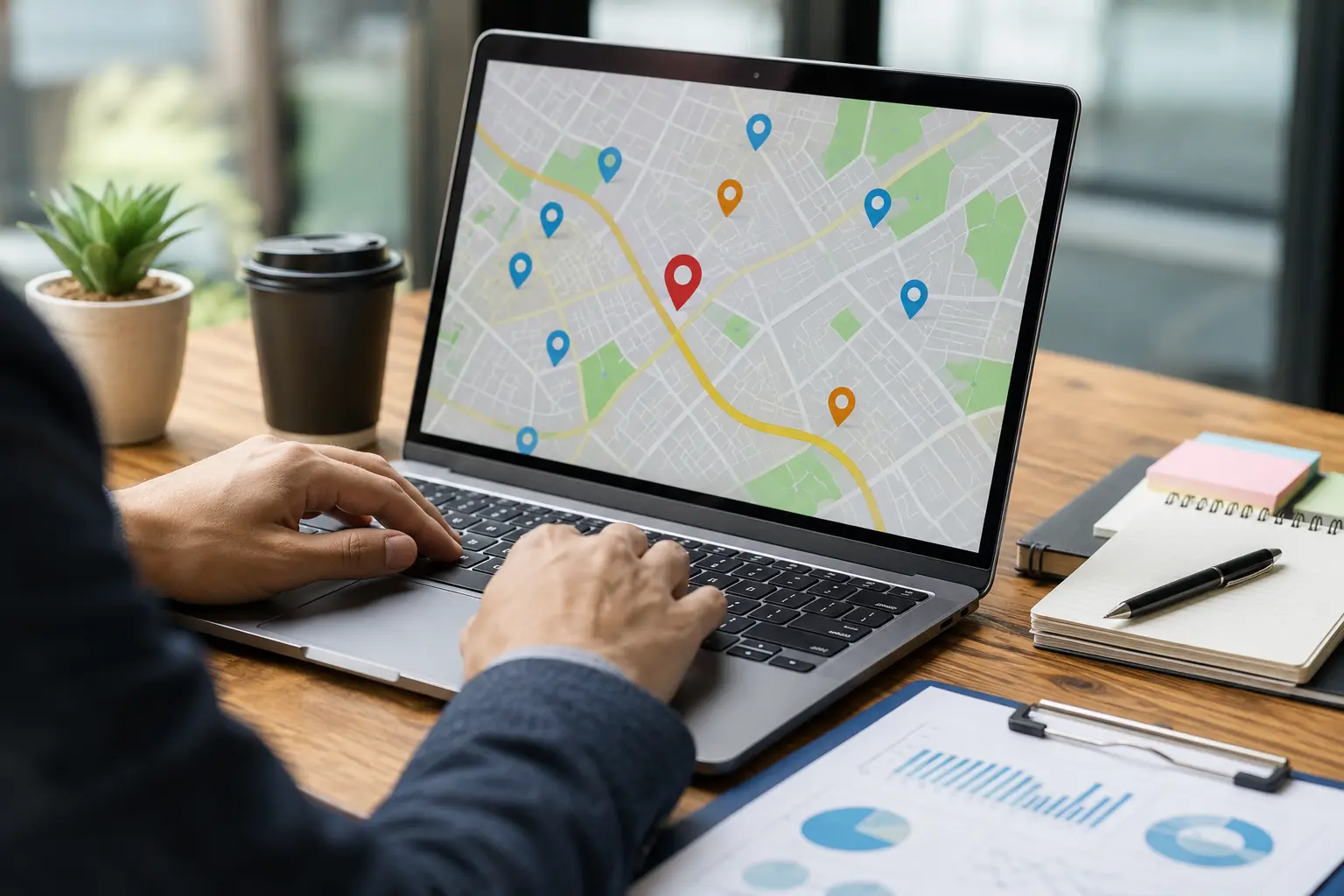
A complete local SEO checklist covering Google Business Profile optimization, NAP consistency, citations, reviews, and technical SEO to help your business rank in local search results in 2026.
A local SEO checklist is a structured list of tasks that helps a business appear in local search results, Google Maps, and the local map pack when nearby customers search for a product or service. It typically covers Google Business Profile setup, NAP consistency, local keyword research, on page optimization, citations, reviews, backlinks, and technical SEO. Businesses use this checklist to track progress and avoid missing steps that directly affect local rankings.
If you run a small business, a service area company, or manage multiple locations, this guide walks you through every task you need to complete, in the right order, so you do not waste time guessing what actually moves the needle. Unlike a generic overview, this checklist is built around what actually earns rankings in 2026, including how Google's AI Overviews and Search Generative Experience now read local business content.
Why a Local SEO Checklist Matters More in 2026
Local search behavior has shifted. People no longer just type "plumber Karachi" into Google, they ask voice assistants, use Google Maps directly, and increasingly rely on AI generated answers inside Google's AI Overviews. A checklist keeps your optimization work organized across all these surfaces instead of only chasing traditional blue link rankings.
Three ranking factors still control most of local search visibility, according to Google's own local ranking documentation:
Relevance: how well your business profile and website match what the searcher typed
Distance: how close your business is to the searcher or the location they mentioned
Prominence: how well known and trusted your business is, based on reviews, links, and citations
A good checklist touches all three, not just one. Businesses that only optimize their website while ignoring their Google Business Profile, or only chase reviews while ignoring technical SEO, tend to plateau quickly.
Quick example: A mid sized HVAC company in Texas fixed only one thing first, mismatched NAP details between their website footer and their Google Business Profile. Within eight weeks they moved from position 9 to position 3 in the local map pack for their main service keyword, without touching content or backlinks. That single fix illustrates why prominence and relevance work together, not in isolation.
Step 1: Set Up and Optimize Your Google Business Profile
This is the foundation. Most local businesses lose visibility here before they even touch their website.
- Claim and verify your listing through Google Business Profile
- Choose one accurate primary category and only relevant secondary categories
- Write a business description that mentions your core services naturally, without keyword stuffing
- Add complete business hours, including holiday hours
- Upload real photos of your storefront, team, and completed work, not stock images
- Add your products and services with short, honest descriptions
- Answer common questions in the Q&A section before customers ask them
- Link your active social media profiles
- Post short weekly updates through the profile's posting feature to keep it active
Skipping any of these weakens your relevance signal, even if your website is perfectly optimized. Google treats an incomplete or stale profile as a weaker trust signal than a competitor's fully filled out one, even if that competitor has a smaller website.
Step 2: Fix NAP Consistency Across the Web
NAP stands for Name, Address, and Phone number. If these details differ even slightly between your website, your Google profile, and third party directories, search engines lose confidence in your data.
- Use the exact same business name everywhere, no abbreviations in one place and full names in another
- Match your address format exactly, including suite numbers
- Use one primary phone number across all platforms
- Update old citations whenever your business moves or changes numbers
- Check data aggregators, since they feed information into dozens of smaller directories automatically
This single task often produces a noticeable jump in local pack visibility within weeks, as shown in the HVAC example above. It is one of the highest impact, lowest effort tasks on this entire checklist.
Step 3: Do Local Keyword Research the Right Way
Skip broad keywords like "seo services" if you serve a specific city or region. Instead, look for phrases that combine service and location, or show clear buying intent.
- Check Google Search Console for queries you already rank for, even at low positions
- Use Google's autocomplete and "People also search for" suggestions
- Study competitor pages that already rank in your area for content gaps
- Group keywords by intent: informational (what is local seo), commercial (best local seo agency), and navigational
- Use a research tool such as Semrush's Keyword Magic Tool or Google Keyword Planner to confirm search volume and difficulty before committing content resources to a keyword
Local keyword research deserves its own dedicated process, since the right keywords shape every other step in this checklist. Aim for a mix of high intent short phrases and specific long tail questions. Long tail local keywords usually convert better even with lower search volume, because the searcher's intent is more specific and closer to a buying decision.
Step 4: Build a Local SEO Audit Checklist for Your Site
Before writing new content, audit what already exists.
- Check indexing status of every important page in Google Search Console
- Review Core Web Vitals for pages with high bounce rates
- Confirm your site loads properly on mobile devices, since most local searches now happen on smartphones
- Look for duplicate content, especially across multiple location pages
- Verify HTTPS is active site wide
- Scan for broken internal links and outdated NAP mentions
- Confirm your XML sitemap is current and submitted
Treat this as a recurring task, not a one time job. A quarterly local SEO audit checklist keeps small issues from becoming major ranking problems. Many businesses only discover a broken contact page or an outdated phone number during this step, both of which quietly damage rankings for months if left unnoticed.
Step 5: Optimize On Page Elements for Each Location
If you serve more than one area, each location needs its own dedicated page, not a duplicated template with only the city name swapped.
- Write unique title tags that include your service and location
- Craft meta descriptions that speak directly to that specific area's customers
- Use header tags naturally, placing your primary keyword in the H1
- Keep URLs short and readable, avoiding unnecessary parameters
- Embed a Google Map and full contact details on every location page
- Add unique local content, such as neighborhoods served or local landmarks nearby, rather than copying the same paragraph across all pages
Duplicate location pages are one of the most common reasons multi location businesses fail to rank any of their pages well. Google can struggle to decide which page deserves to rank, and often ranks none of them strongly as a result.
Step 6: Build Local Citations and Manage Reviews
Citations are online mentions of your business details on directories, industry sites, and local platforms. Reviews are the trust signal customers see before anyone else.
For citations:
- Submit your business to major directories relevant to your industry and country
- Check where competitors are listed that you are not, using a citation gap analysis
- Avoid duplicate listings, which confuse both users and search engines
- Prioritize industry specific directories over generic ones, since they carry more topical relevance
For reviews:
- Ask satisfied customers directly, right after service completion
- Respond to every review, positive or negative, within a few days
- Never buy fake reviews, Google actively detects and penalizes this practice
- Use a consistent review request method, such as a QR code on receipts or a follow up text message
Step 7: Earn Local Backlinks
Local backlinks tell Google your business is genuinely active in a specific community, not just optimized for it.
- Sponsor local events, sports teams, or community initiatives
- Offer testimonials to suppliers or partners in exchange for a link
- Reach out to local news sites or bloggers with a genuinely newsworthy update
- Check for existing brand mentions online that are not yet linked, and request a link
- Join local business associations or chambers of commerce that list member websites
One relevant local backlink from a trusted community source is worth far more than dozens of generic directory links. Search engines weigh topical and geographic relevance heavily when evaluating link quality, not just the number of links.
Step 8: Add Local Business Schema Markup
Structured data helps search engines read your business information correctly and can unlock rich results in search.
- Add LocalBusiness schema with your name, address, phone, and hours
- Include review schema if you display ratings on your site
- Test your markup with Google's Rich Results Test tool before publishing
- Ask a developer for help if you are unfamiliar with JSON LD formatting
Schema does not guarantee higher rankings on its own, but it removes ambiguity for search engines and can improve how your business appears in rich results and AI generated summaries.
Step 9: Track Results and Adjust
A checklist is only useful if you measure whether it worked.
- Monitor keyword positions using a rank tracker with location targeting
- Watch Google Business Profile Insights for calls, direction requests, and profile views
- Review Google Analytics for changes in organic traffic from your target area
- Set a monthly reminder to revisit this entire checklist and update anything outdated
- Compare your metrics against the same period last year, not just last month, since local search has seasonal patterns
DIY Local SEO vs Hiring an Agency
|
Factor |
DIY Approach |
Hiring an Agency |
|
Time investment |
5 to 10 hours per week ongoing |
Minimal, handled for you |
|
Learning curve |
Steep, especially technical SEO and schema |
None, handled by specialists |
|
Typical timeline to results |
4 to 8 months, often slower due to inconsistency |
3 to 6 months, with structured execution |
|
Cost |
Low direct cost, high time cost |
Monthly retainer, but predictable |
|
Best suited for |
Single location businesses with time to spare |
Multi location businesses or owners without spare time |
Neither option is universally better. A single location coffee shop with a hands on owner can often manage this checklist alone. A business with five locations across two countries usually cannot, simply due to the volume of ongoing tasks across citations, reviews, and location pages.
Common Local SEO Mistakes That Undo Your Progress
- Inconsistent NAP details across even one or two directories
- Choosing broad or unrelated Google Business Profile categories
- Duplicate content across multiple location pages
- Ignoring negative reviews instead of responding professionally
- Keyword stuffing business names on Google Business Profile, which violates guidelines and risks suspension
- Treating local SEO as a one time project instead of ongoing maintenance
- Using a fake or virtual address for a service area business, which can trigger listing suspension
Frequently Asked Questions
What is a local SEO checklist for small businesses?
It is a step by step list covering Google Business Profile setup, NAP consistency, local keyword research, citations, reviews, and on page optimization, designed to help a small business appear in local search results without needing advanced technical knowledge.
What is included in local SEO?
Local SEO includes Google Business Profile optimization, NAP consistency, local citations, local keyword research, on page SEO for location pages, review management, local link building, and schema markup.
What are the 4 pillars of SEO?
The four pillars are on page SEO, off page SEO, technical SEO, and content strategy. Local SEO applies all four with a geographic targeting layer added on top.
What are the 4 types of SEO?
The four main types are local SEO, on page SEO, off page SEO, and technical SEO. Each addresses a different part of how search engines evaluate and rank a website.
How to do local SEO for a small business starting from zero?
Start by claiming and verifying your Google Business Profile, then fix NAP consistency across existing directories, perform basic local keyword research, and build a handful of high quality local citations before moving into content and link building.
Which one is better, SEO or PPC?
They serve different goals. SEO builds long term organic visibility at a lower ongoing cost, while PPC delivers immediate visibility but stops the moment you stop paying. Most local businesses benefit from running both together, using PPC for quick wins while SEO compounds over time.
How long does local SEO take to show results?
Most businesses see measurable movement within 8 to 12 weeks for easier fixes like NAP consistency and Google Business Profile optimization. Competitive keywords and full local pack dominance usually take 4 to 8 months of consistent work.
Final Thoughts
Local SEO is not a single task you complete once. It is a checklist you revisit every month, refining your Google Business Profile, keeping citations clean, earning genuine reviews, and building real community backlinks. Businesses that treat this checklist as an ongoing habit consistently outrank competitors who only optimize once and forget about it.
If you want a professional team to run this entire checklist for you while you focus on running your business, DifusionSEO builds complete local SEO systems, from Google Business Profile optimization to technical audits and local link building, designed to get measurable results.
Discussion (0)
Leave a Comment
No comments yet. Be the first to start the discussion!
Related Insights.

How to Verify Your Google Business Profile: Complete Guide
Learn how to verify your Google Business Profile through phone, email, video, live call, or postcard. Covers every method, real timelines, and how to fix common verification failures.
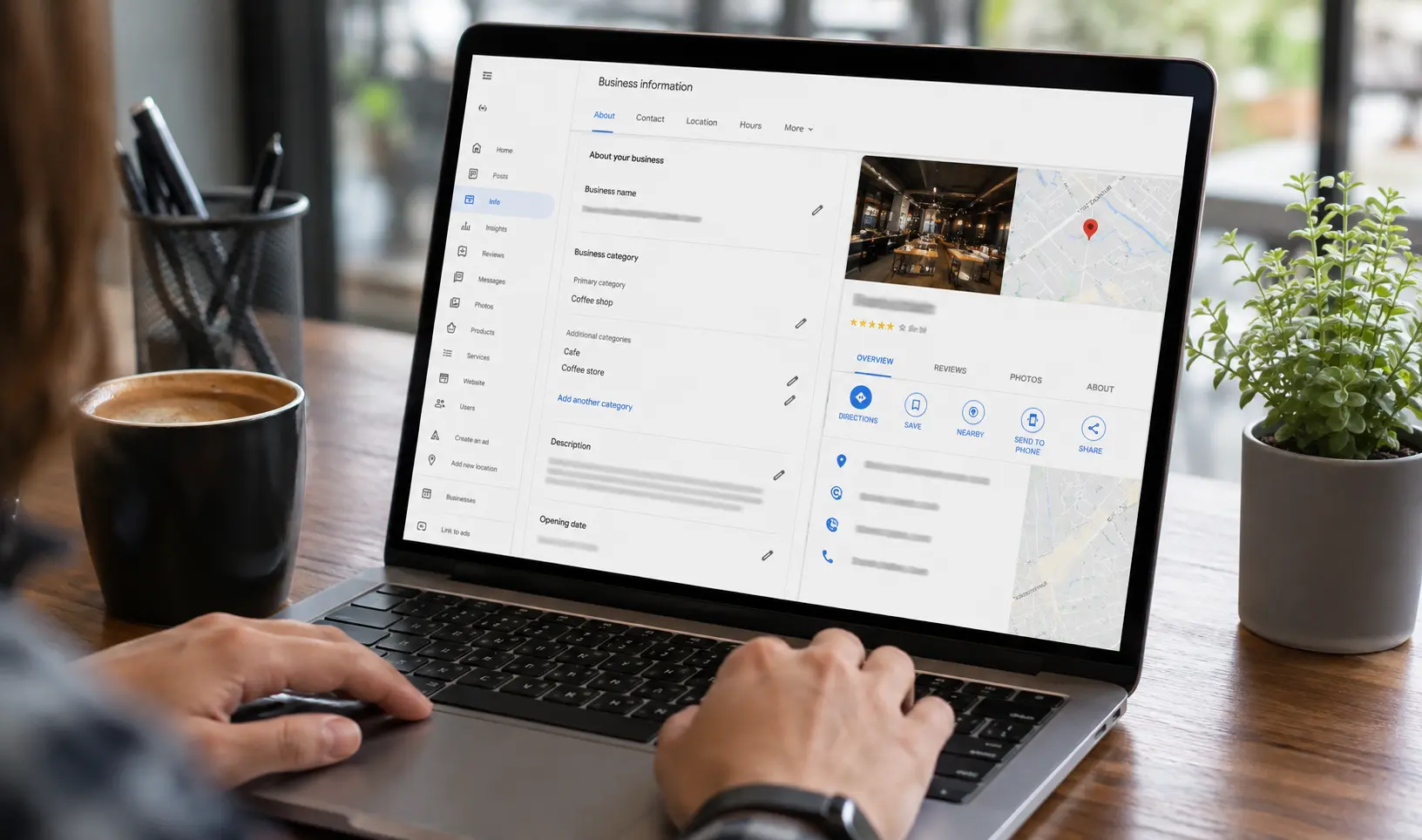
Google Business Profile Categories: A Complete Guide to Primary and Secondary Categories
Google Business Profile categories are one of the strongest local ranking signals you control. Learn the difference between primary and secondary categories, how many you can add, and how to pick the right ones to win the Local Pack.
Local SEO vs National SEO: The Core Difference
Local SEO and national SEO solve different problems for different businesses. This guide breaks down the ranking signals, real cost ranges in USD and EUR, timelines, and a side by side comparison table to help you choose the right strategy, or combine both.